
Wisdom Teeth Removal Recovery Tips for a Smooth Heal
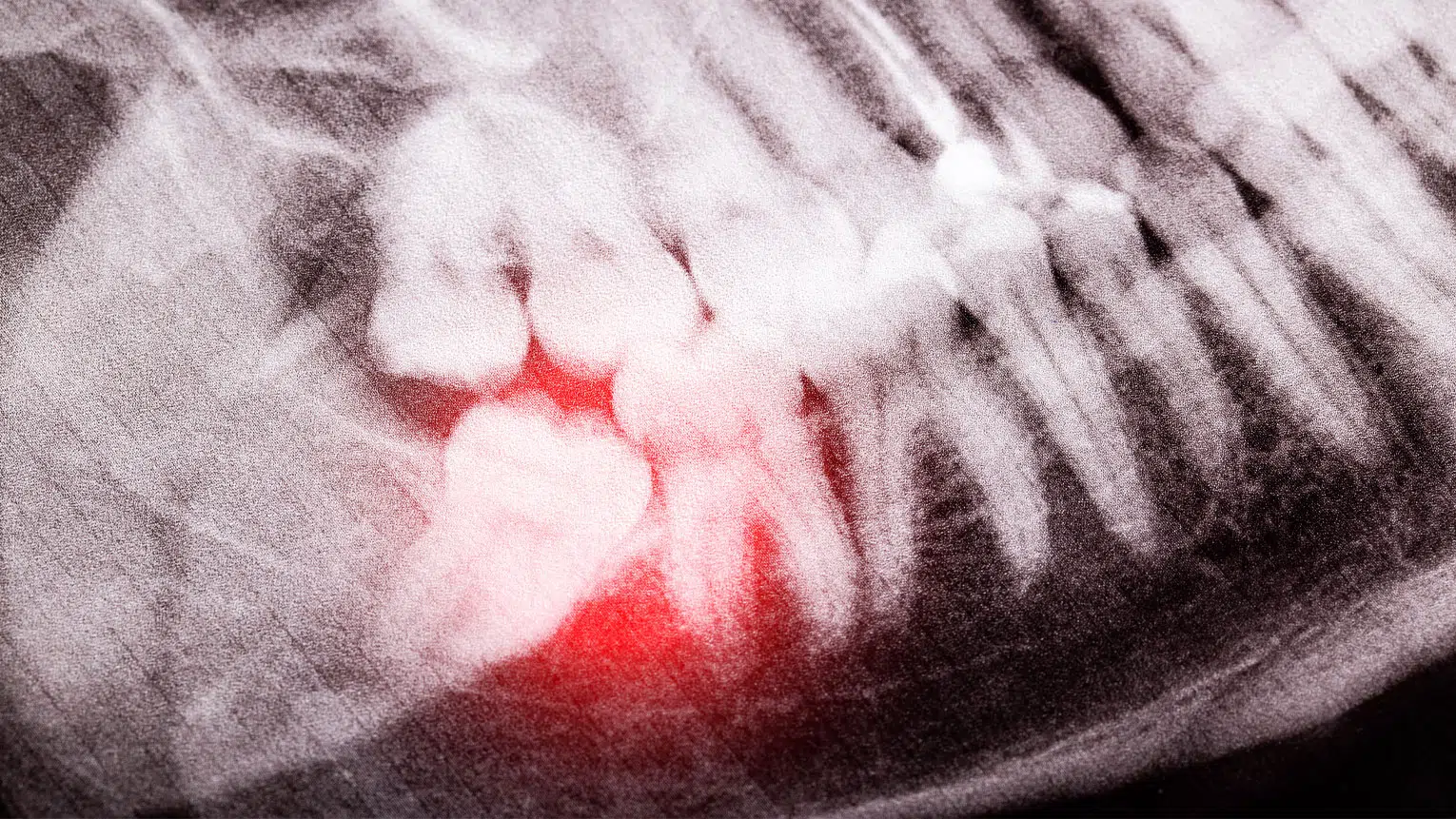


Wisdom teeth removal is a common dental procedure, but the recovery process can be challenging. At Valley Dental Care, we understand the importance of a smooth healing experience after this surgery.
This guide offers practical wisdom teeth removal recovery tips to help you navigate the days following your procedure. From managing pain to dietary considerations, we’ll cover essential strategies for a comfortable and speedy recovery.
What to Do Right After Wisdom Teeth Removal
Follow Your Dentist’s Instructions Meticulously
Your dentist will provide specific instructions tailored to your case. These may include how to care for the surgical site, what medications to take, and when to schedule follow-up appointments. Follow these instructions precisely to reduce your risk of complications and speed up your recovery.
Manage Swelling Effectively
Swelling is a common side effect of wisdom teeth removal. Some studies have shown that postoperative external application of cold dressings may not significantly reduce swelling, trismus, or pain after removal of impacted wisdom teeth. However, your dentist may still recommend applying ice packs to your cheeks. Follow their specific instructions for managing swelling.
Take Medications as Prescribed
Your dentist may prescribe pain relievers or antibiotics. Take these exactly as directed. If you’re prescribed antibiotics, complete the entire course, even if you start feeling better. For over-the-counter pain relief, ibuprofen or acetaminophen can be effective (but always check with your dentist about the appropriate dosage).
Protect the Blood Clot
In the first 24 hours after surgery, avoid activities that could dislodge the blood clot forming in the extraction site. This means no rinsing, spitting, or using straws. If you need to remove excess saliva, let it drip naturally from your mouth onto a tissue. Dislodging the blood clot can lead to a painful condition called dry socket, which happens when a blood clot at the site of a tooth extraction breaks down too soon or doesn’t form properly.
Rest and Relax
Your body needs time to heal. Try to rest as much as possible in the first 24-48 hours after surgery. Avoid strenuous activities and exercise for at least a week. Keep your head elevated while sleeping to reduce swelling and promote better blood flow.
As we move forward, let’s explore the important aspects of diet and nutrition during your recovery period. What you eat (and don’t eat) can significantly impact your healing process and comfort level.
What Should You Eat After Wisdom Teeth Removal?
Soft Foods: Your Recovery Allies
After wisdom teeth removal, your diet significantly impacts your recovery. Stick to soft, easy-to-eat foods for the first few days post-surgery. Choose items like yogurt, smoothies, mashed potatoes, and applesauce. These foods require minimal chewing and are less likely to irritate the surgical sites. A study published in the Journal of Oral and Maxillofacial Surgery found that patients who followed a soft food diet for the first week after wisdom teeth removal reported less pain and faster healing.
Hydration: The Recovery Cornerstone
Staying hydrated is essential for recovery. Drink plenty of water, but avoid using straws for at least a week. The suction created by straws can dislodge blood clots and lead to dry socket. Instead, sip water directly from a cup. Staying hydrated can alleviate symptoms such as dry mouth, nausea, and dizziness, enhancing your overall surgical experience and recovery process.
Foods to Avoid
Steer clear of hot, spicy, crunchy, or hard foods for at least a week. These can irritate the surgical sites and delay healing. Also, avoid alcohol and tobacco products. Alcohol can interfere with medications and slow healing, while smoking can increase the risk of complications. A meta-analysis showed that tobacco smokers had a more than three-fold increase in the odds of dry socket after tooth extraction.
Gradual Transition to Solid Foods
As you progress in your recovery, you can gradually introduce more solid foods. Listen to your body and only eat what feels comfortable. If you experience any pain or discomfort while eating, return to softer foods and consult with your dentist for personalized advice.
Nutrient-Rich Options for Healing
While soft foods are necessary, it’s important to maintain a balanced diet to support healing. Consider incorporating nutrient-rich options such as Greek yogurt (high in protein), smoothies with added spinach (for vitamins and minerals), and well-cooked oatmeal (for fiber and energy). These choices can help provide the nutrients your body needs to recover effectively.
As you navigate your post-surgery diet, it’s equally important to manage pain and discomfort effectively. Let’s explore some strategies to help you stay comfortable during your recovery period.
How to Manage Pain After Wisdom Teeth Removal
Effective Use of Pain Relievers
Over-the-counter pain medications can effectively manage post-operative discomfort. Ibuprofen (Advil, Motrin) and acetaminophen (Tylenol) are common recommendations. A study found that combining ibuprofen and acetaminophen provided superior pain relief compared to using either medication alone. Always follow the dosage instructions provided by your dentist or on the medication packaging.
Salt Water Rinses for Healing
Start salt water rinses 24 hours after your surgery to reduce swelling and promote healing. Mix 1/2 teaspoon of salt in a cup of warm water and swish gently in your mouth for about 30 seconds before spitting it out. Repeat this process 2-3 times a day, especially after meals. A study in the International Journal of Oral and Maxillofacial Surgery showed that patients who used salt water rinses experienced faster healing and fewer complications.
Cold Therapy for Swelling
Apply cold compresses to your cheeks to reduce swelling and numb the area, providing relief from pain. Use an ice pack wrapped in a thin towel and apply it to the affected area for 15-20 minutes at a time, with 20-minute breaks in between. Continue this for the first 24-48 hours after surgery. Some studies have shown that postoperative external application of cold dressings may not significantly diminish swelling, trismus, or pain after removal of impacted wisdom teeth.
Sleep Position for Comfort
Your sleep position can significantly impact your comfort and recovery. Use an extra pillow to keep your head elevated while sleeping. This position helps reduce swelling and prevents blood from pooling in the surgical area. Maintaining an elevated head position when resting or sleeping can help reduce throbbing and swelling after wisdom tooth removal.
When to Seek Professional Help
If you experience severe pain that doesn’t respond to these measures, or if you have any concerns about your recovery, don’t hesitate to contact your dentist. Professional guidance can ensure your wisdom teeth removal recovery is as comfortable and smooth as possible. At Valley Dental Care, our experienced team (led by Dr. Satish Gottumukkula and Dr. Samantha Kothapalli) is always ready to provide personalized care and address any post-operative concerns you may have.
Final Thoughts
Wisdom teeth removal recovery requires patience and careful attention to aftercare instructions. You can improve your healing process and minimize discomfort by following the tips outlined in this guide. Proper oral hygiene, including gentle salt water rinses, plays a key role in preventing complications and promoting faster healing.
We encourage you to seek professional help if you experience severe pain, excessive bleeding, or signs of infection during your recovery. At Valley Dental Care, our team stands ready to address your concerns and provide personalized care to ensure a smooth recovery. Many patients find that once fully healed, they experience less crowding, easier cleaning, and improved bite alignment.
Your recovery is unique, so listen to your body and give yourself the time needed to heal properly. The long-term benefits of removing problematic wisdom teeth are significant, including the prevention of future dental issues and improved overall oral health. With the right approach, you’ll soon return to your normal routine with a healthier smile.
Meet the Author

Dr. Samantha Kothapalli
Dr. Sam provides personalized dental care with a focus on prevention, patient education, and modern, comfortable treatment.
Meet Dr. SamRelated Posts

Wisdom Teeth Removal Recovery Tips for a Smooth Heal
Wisdom teeth are the third molars that typically emerge during late adolescence or early adulthood. Unfortunately, they often lead to oral health issues, prompting the removal of approximately 10 million wisdom teeth each year in the U.S. Discover why these teeth can…
Wisdom Teeth Removal Recovery Tips for a Smooth Heal
Having your wisdom teeth removed has become somewhat of a marker of adulthood. Most of us who have the procedure done will do so between our late teens and mid-twenties, and nearly everyone has a story of the silly things that were…
Wisdom Teeth Removal Recovery Tips for a Smooth Heal
Wisdom teeth removal isn’t for everyone. If you’re between the ages of 17 and 25, you may be debating whether or not to remove this third set of molars. While there are many proven benefits to having your wisdom teeth taken out,…
