
Professional Teeth Whitening: Your Ultimate Guide
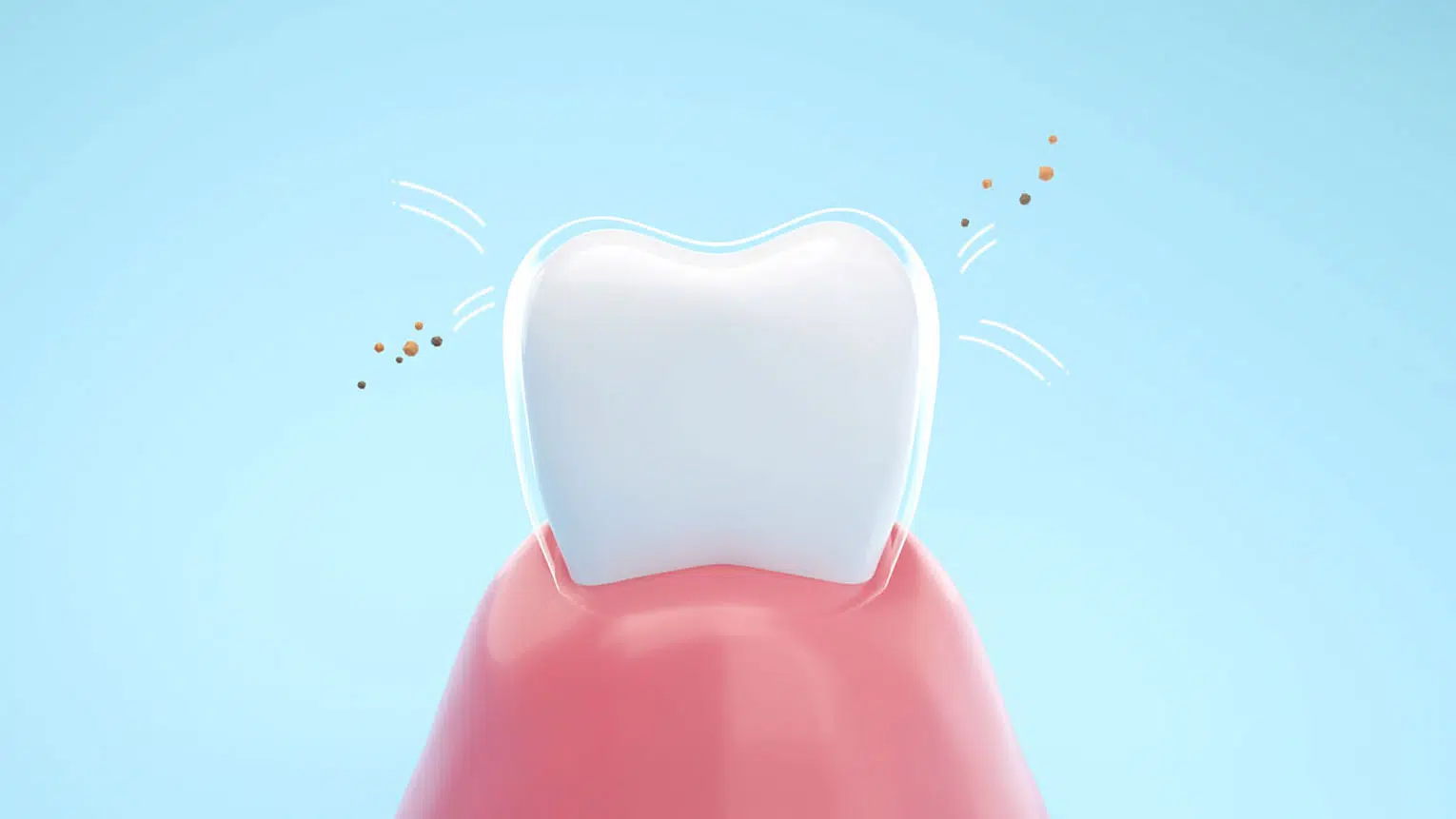


Your smile deserves the best care possible, and professional teeth whitening delivers results that over-the-counter products simply can’t match.
We at Valley Dental Care see patients transform their confidence with treatments that are both safe and dramatically effective. This guide covers everything you need to know about professional whitening options, costs, and what to expect during treatment.
Professional vs At-Home Teeth Whitening Methods
Concentration Levels Drive Results
Professional whitening treatments use hydrogen peroxide concentrations between 15-35%, while over-the-counter products contain only 3-10%. This dramatic difference means professional treatments can lighten teeth up to eight shades in a single session, compared to home kits that typically achieve 1-2 shades over several weeks. Home whitening effects fade within 3-6 months.
Professional Supervision Prevents Damage
Home whitening kits create significant risks when patients use them incorrectly. Overuse of whitening strips causes severe tooth sensitivity and gum irritation because they don’t fit properly around teeth, which leads to uneven application and gel contact with soft tissues. Professional treatments include custom protection for your gums and real-time monitoring to prevent damage. Dental professionals can immediately adjust treatment intensity if sensitivity occurs (something impossible with store-bought products).
True Value Beyond Initial Price
Professional whitening costs $300-800 but provides results equivalent to purchasing 15-20 home kits over three years. Home kits average $30-100 each and require constant repurchase. Professional treatments also prevent the costly dental repairs that can result from overuse of harsh home products. Factor in the time saved from multiple home applications, and professional whitening becomes the clear value winner for anyone serious about achieving and maintaining a bright smile.
Custom Treatment Approach
Dental professionals assess your specific stain type and tooth structure before treatment begins. They create custom trays that fit your teeth perfectly and select the appropriate gel concentration for your needs. This personalized approach eliminates the guesswork that comes with generic home products and maximizes your results while minimizing sensitivity risks.
Understanding these key differences helps explain why professional treatment delivers superior outcomes, but the actual treatment process involves several important steps that work together to achieve optimal results.
Professional Teeth Whitening Treatment Process
Initial Assessment Determines Treatment Success
Professional whitening begins with a comprehensive evaluation that takes 15-20 minutes. Your dentist examines existing dental work, measures current tooth shade with a standardized color guide, and photographs your teeth for before-and-after comparison. This assessment identifies intrinsic stains from medications like tetracycline versus extrinsic stains from coffee and wine, which respond differently to treatment. Dentists also check for cavities or gum disease that must be addressed before whitening begins, since bleaching agents cause severe pain when they contact exposed tooth nerves.
The 90-Minute In-Office Procedure
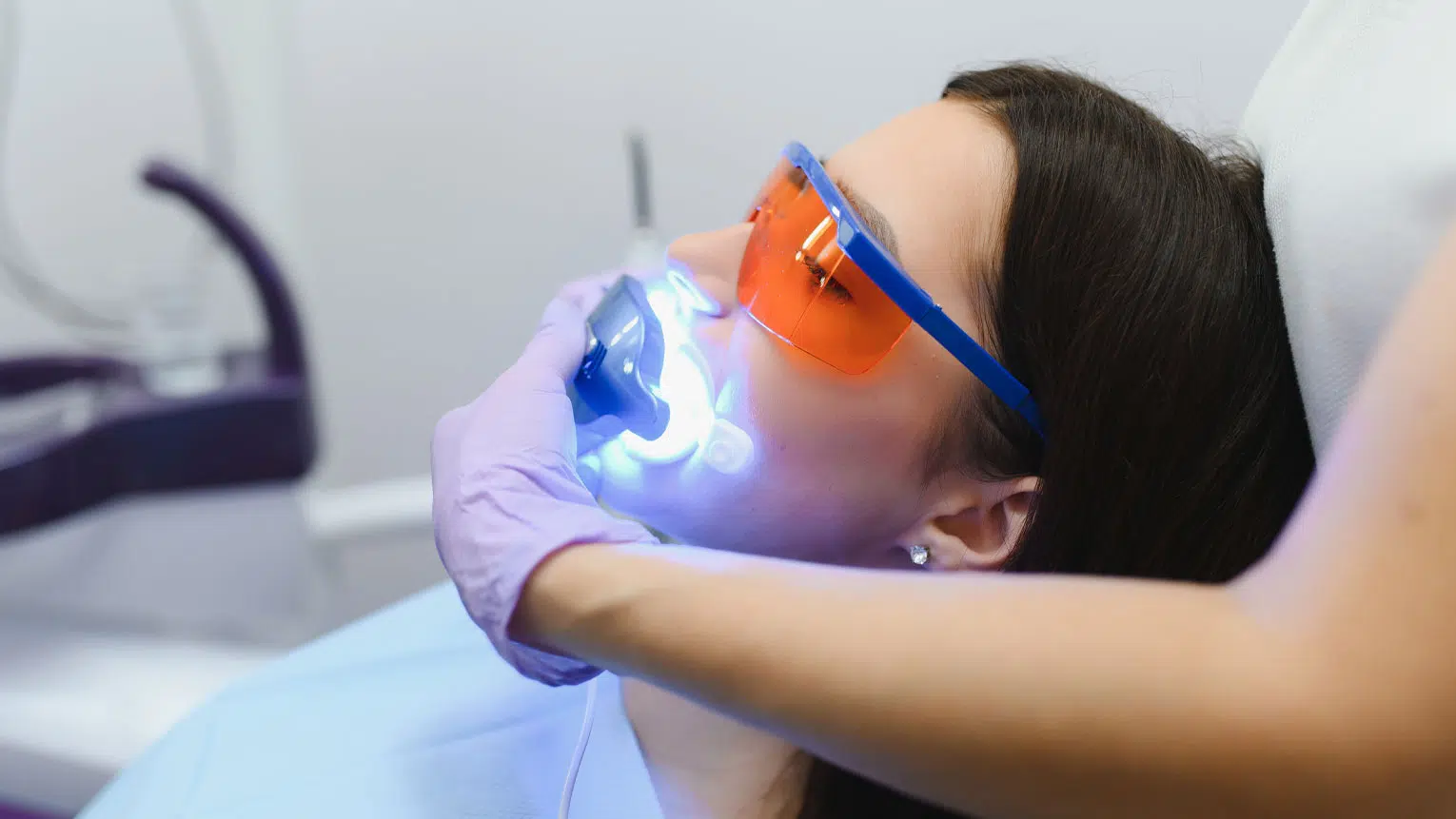
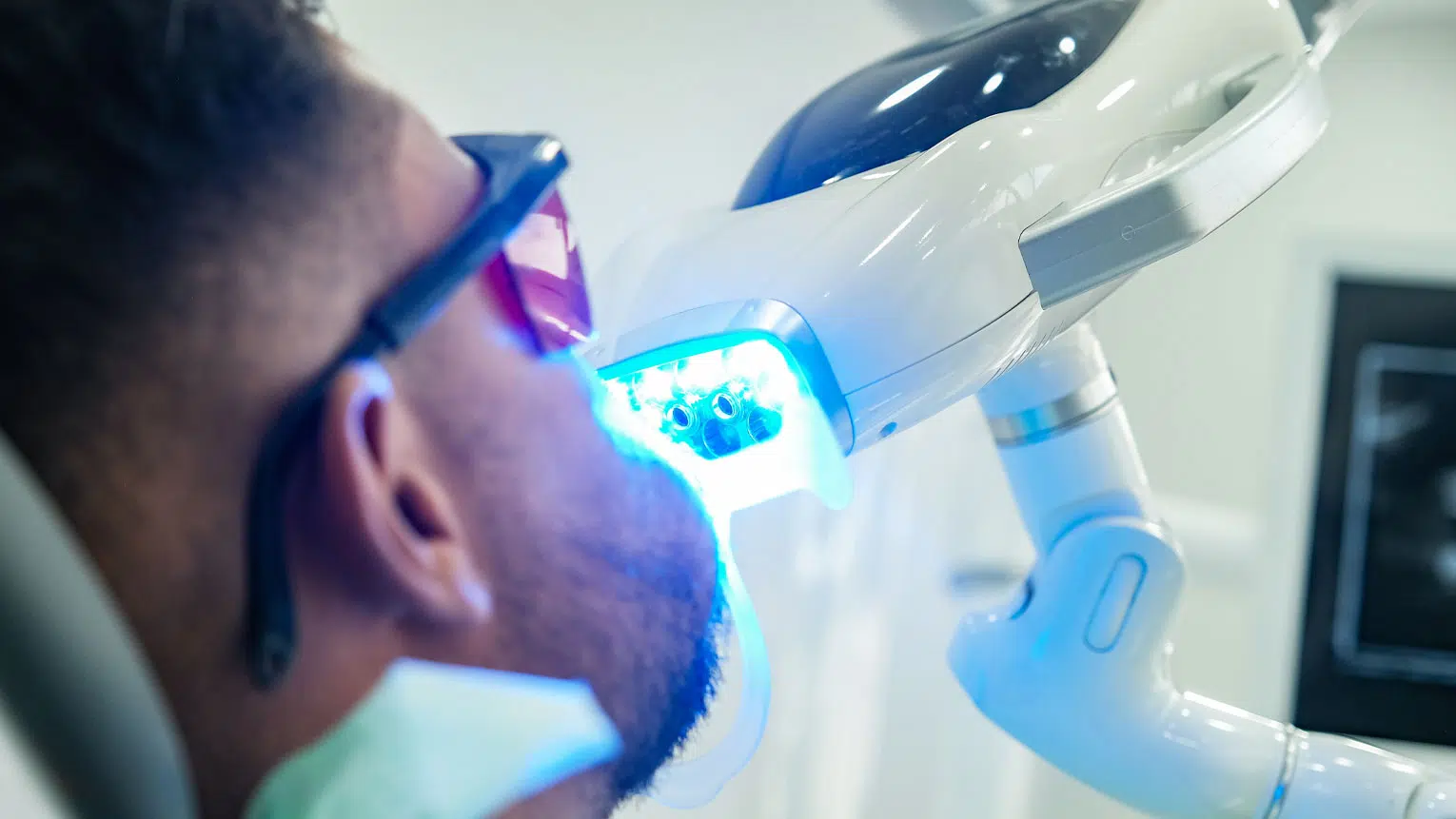
Professional whitening appointments typically last 60-90 minutes and involve three 15-20 minute gel applications. Your dentist applies a protective barrier to your gums, then brushes high-concentration hydrogen peroxide gel onto your teeth. LED or laser light activation breaks down stain molecules more effectively than gel alone. Between applications, the dentist removes the old gel, evaluates progress, and reapplies fresh gel if needed. Most patients achieve 3-8 shades of whitening in this single visit, with results visible immediately after treatment.
Post-Treatment Care Instructions
Your teeth remain porous for 48 hours after professional whitening, which makes them vulnerable to new stains. Avoid coffee, tea, red wine, and dark sauces during this critical period. Use the provided desensitizing gel if you experience mild sensitivity (which affects up to 50% of patients but typically resolves within 24-48 hours). Professional results last 6 months to 2 years with proper maintenance, including whitening toothpaste twice weekly and avoiding tobacco products. Schedule touch-up treatments every 12-15 months to maintain optimal brightness, as this prevents the need for full retreatment.
Several factors beyond the treatment process itself significantly influence your final whitening results and how long they last.
Factors That Affect Whitening Results
Stain Type Dictates Treatment Approach
Extrinsic stains from coffee, tea, red wine, and tobacco respond excellently to professional whitening because they sit on the tooth surface. These stains typically lighten 4-8 shades in a single session. Intrinsic stains from tetracycline antibiotics, fluorosis, or trauma penetrate deep into tooth structure and require multiple treatments or alternative approaches. Tetracycline stains can be whitened using several modern dental techniques available in cosmetic dentistry. Age-related yellowing combines both stain types, making it moderately responsive to treatment with 3-6 shades of improvement expected.
Tooth Structure Changes With Age
Enamel naturally thins as you age, revealing the yellowish dentin underneath. Patients over 50 typically achieve 2-4 shades of whitening compared to 4-8 shades for patients under 30. Thick enamel in younger patients holds bleaching agents longer and responds more dramatically. Dental restorations (including crowns, veneers, and large fillings) do not whiten, which can create color mismatches after treatment. Dentists evaluate existing dental work during consultation to predict final results and recommend replacement restorations when necessary.
Daily Habits Control Longevity
Professional whitening results last 18-24 months for patients who avoid staining substances, but only 6-9 months for heavy coffee drinkers and smokers. Red wine consumption reduces whitening longevity by 40% according to dental research studies. Tobacco use causes the fastest re-staining, with noticeable yellowing appearing within 2-3 months. Patients who use whitening toothpaste twice weekly and drink staining beverages through straws extend results significantly. Those who maintain excellent oral hygiene with twice-daily brushing and flossing preserve their whitening 60% longer than those with poor habits (making maintenance the key factor in long-term success).
Final Thoughts
Professional teeth whitening delivers results that home products cannot match. The 15-35% hydrogen peroxide concentrations used in dental offices provide 3-8 shades of improvement in 90 minutes, while over-the-counter kits achieve only 1-2 shades over weeks. Professional supervision prevents the gum damage and sensitivity issues that occur with home treatments.
The investment proves worthwhile through superior results that last 18-24 months with proper care (compared to 3-6 months for home kits). Professional assessment identifies your specific stain type and creates custom treatment plans that maximize effectiveness while protecting your oral health. Your age, tooth structure, and daily habits influence results, but professional treatment adapts to these factors for optimal outcomes.
We at Valley Dental Care offer advanced cosmetic dentistry with experienced professionals who understand how to achieve the bright smile you deserve. Our team provides comprehensive consultations that evaluate your specific needs and create personalized treatment approaches. Schedule your consultation with Valley Dental Care today and take the first step toward transforming your smile with professional expertise.
Meet the Author

Dr. Samantha Kothapalli
Dr. Sam provides personalized dental care with a focus on prevention, patient education, and modern, comfortable treatment.
Meet Dr. SamRelated Posts
Professional Teeth Whitening: Your Ultimate Guide
Compare professional whitening for teeth to drugstore options and learn why dentist treatments deliver superior, longer-lasting results.
Professional Teeth Whitening: Your Ultimate Guide
Brighten your smile in under an hour with professional in-office whitening treatment. Learn how it works and see results fast.

Professional Teeth Whitening: Your Ultimate Guide
Explore safe whitening options for sensitive teeth and learn which treatments work best without causing pain or discomfort.
