How Laser Dentistry Works: The Science Behind Pain-Free Procedures


Dental anxiety keeps millions of people away from the dentist’s chair. At Valley Dental Care, we’ve seen firsthand how laser technology transforms patient experiences by eliminating the drill, the noise, and the fear that comes with traditional dentistry.
Understanding how laser dentistry works reveals why this technology delivers genuine pain-free care. Lasers target only the problem areas with precision, leaving healthy tissue untouched and healing faster than conventional methods.
How Laser Dentistry Works at the Tissue Level
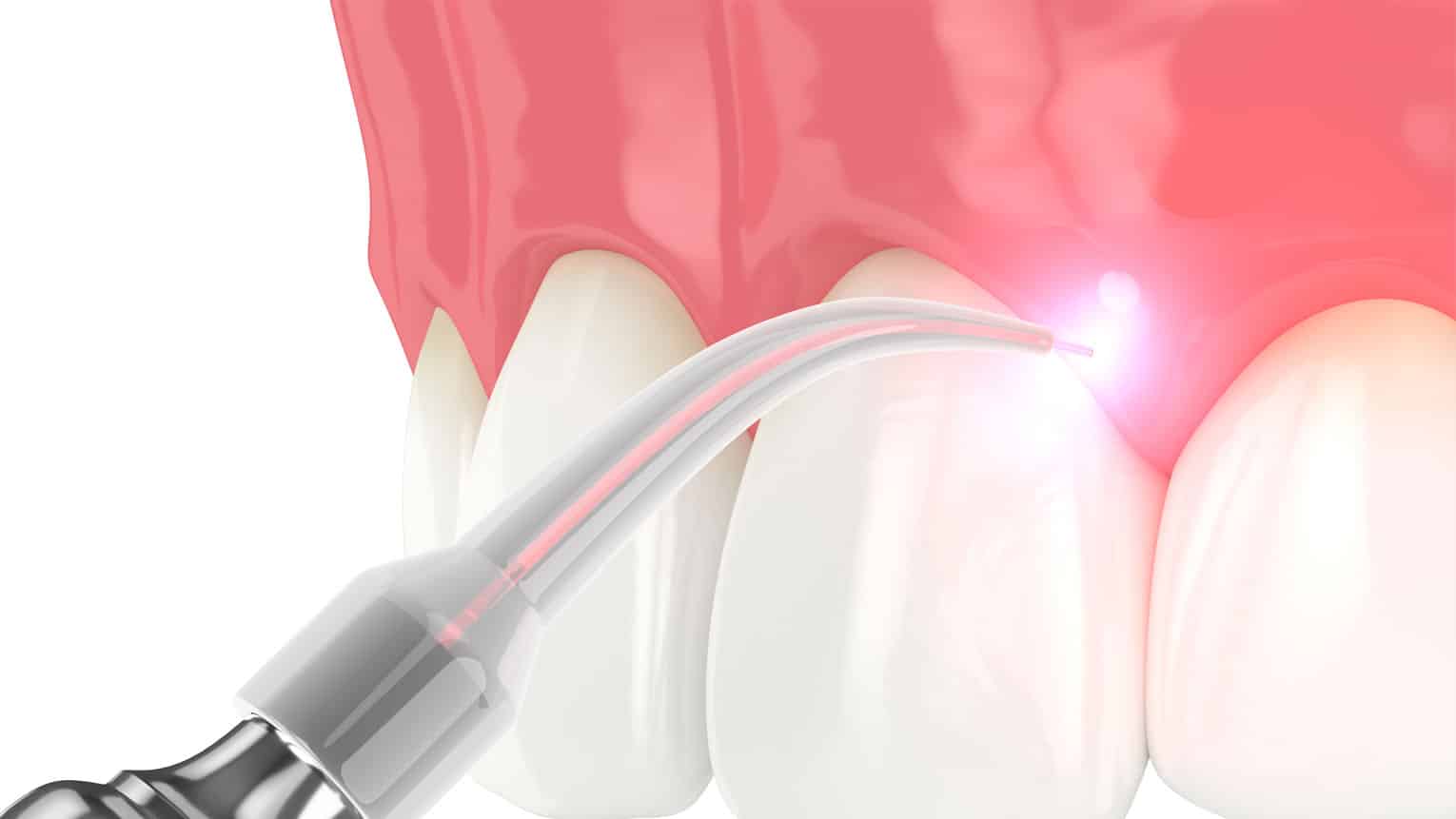
Laser dentistry operates through concentrated light energy that interacts directly with tooth enamel, dentin, bone, and gum tissue in ways traditional drills cannot match. The FDA approved dental lasers for clinical use starting in the 1990s, and the technology has matured significantly since then. A laser produces a highly focused beam of monochromatic light at specific wavelengths, typically ranging from 600 nanometers in the red spectrum to 2940 nanometers in the infrared range. When this light contacts tissue containing water or mineral content, it heats those molecules rapidly, creating microscopic explosions that vaporize diseased or damaged tissue while leaving adjacent healthy structure intact. This precision matters enormously in practice. A traditional drill removes healthy tooth structure alongside decayed portions because it cannot discriminate between the two. Laser systems, by contrast, target only the problematic area, meaning you preserve significantly more of your natural tooth.
Wavelength Selection Determines Clinical Outcomes
The wavelength determines what the laser actually cuts through, and different wavelengths produce different clinical effects. Er:YAG lasers excel at hard tissue work because water absorbs their wavelength (around 2940 nanometers) extremely efficiently, allowing precise ablation of tooth structure and bone with minimal thermal damage to surrounding areas. Nd:YAG lasers, operating around 1064 nanometers, penetrate deeper into tissue and work better for soft tissue applications like gum disease therapy and root canal disinfection. Diode lasers in the 800 to 980 nanometer range offer portability and effectiveness for both soft and hard tissue applications. The 2025 World Federation for Laser Dentistry global consensus on laser-assisted caries treatment confirms that wavelength selection directly correlates with treatment success and safety.
Power settings and beam spot size also control clinical outcomes. Smaller beam spots concentrate energy more intensely, improving cutting efficiency, but require careful calibration to avoid excessive heat that damages healthy tissue. A skilled laser operator understands these parameters intimately and adjusts them per tooth and per patient condition rather than applying one-size-fits-all settings.
The Sterilization Effect During Treatment
One underappreciated benefit of laser dentistry is the sterilization that occurs during the procedure itself. Laser irradiation has the potential to kill microorganisms and remove debris and smear layer from root canals. This means the treatment zone remains cleaner and carries lower bacterial load than traditional methods could achieve, directly reducing infection risk post-treatment. In cavity preparation, this antimicrobial action removes decay-causing bacteria embedded in the tooth structure before the filling placement. In periodontal therapy for gum disease, laser disinfection reduces bacterial populations in deep pockets where traditional scaling and root planing may not reach completely. Root canal disinfection with laser light helps eliminate stubborn endodontic pathogens, particularly useful when combined with conventional irrigation. The American Dental Association recognizes these sterilization benefits and supports laser applications for reducing infection risk in select procedures. Recovery speeds up partly because the treatment area is already disinfected, reducing inflammation and allowing your body to focus on healing rather than fighting residual infection.
How Soft Tissue Lasers Seal Blood Vessels
Soft tissue lasers, typically diode or CO2 lasers in the 800 to 1064 nanometer range, penetrate gum tissue and oral tissues while simultaneously sealing blood vessels as they work. Soft tissue CO2 lasers cut and coagulate soft tissue simultaneously, which is why bleeding drops dramatically compared to traditional gum surgery. The laser heat coagulates blood vessel walls, preventing blood loss and reducing the need for sutures in many cases. Patients experience less swelling and faster tissue recovery because the procedure causes minimal trauma to surrounding structures. This capability transforms gum reshaping, frenectomy (tongue-tie release), and periodontal therapy into procedures that patients tolerate far better than conventional surgical approaches.
Understanding these tissue interactions explains why laser dentistry delivers the pain-free experience patients report. The precision, sterilization, and minimal trauma work together to transform how your mouth heals after treatment. The next section examines the specific advantages this technology creates compared to traditional dental methods.
Why Laser Dentistry Hurts Less and Heals Faster
Laser dentistry eliminates pain during treatment because the procedure targets only diseased tissue without triggering the pain response that traditional drills create. A conventional dental drill vibrates at high speeds, generating heat that irritates nerve endings and requires substantial local anesthesia to manage discomfort. Laser procedures work differently. The focused light energy vaporizes tissue so precisely that nerve endings experience minimal stimulation, and many patients report feeling pressure rather than pain. Some procedures require no anesthesia at all. Laser dentistry reduces or eliminates the need for anesthesia in numerous applications, which matters significantly for patients with needle anxiety or those who metabolize anesthetics poorly. Additionally, the absence of drilling noise removes a major psychological stressor. Dental anxiety often stems as much from the sound and vibration of traditional equipment as from actual pain, so eliminating that sensory input alone improves the patient experience substantially.
Precision Preserves Healthy Tissue and Accelerates Healing
Faster healing after laser treatment stems directly from the precision that preserves healthy tissue. When a traditional drill removes decay, it necessarily removes some sound tooth structure surrounding the cavity. Your body must then repair that collateral damage alongside the healing process. Laser treatment removes only the problematic tissue, leaving more healthy structure intact. This means your body focuses healing energy on the actual treatment site rather than expending resources repairing unnecessary damage. Clinical outcomes show reduced swelling and inflammation because minimal trauma occurred. Patients typically experience noticeably less post-treatment discomfort and return to normal eating and speaking within hours rather than days.
The laser’s biostimulation effect accelerates healing further. The light energy stimulates collagen production and blood clotting at the cellular level, meaning tissue repair begins during the procedure rather than after. For gum procedures, this effect proves particularly valuable. Soft tissue laser surgery seals blood vessels during cutting, which prevents the prolonged oozing and swelling that traditional gum surgery creates. Patients report comfort levels that make them willing to pursue necessary periodontal treatment they might have delayed indefinitely.
Soft Tissue Lasers Seal Blood Vessels and Reduce Swelling
Soft tissue lasers, typically diode or CO2 lasers in the 800 to 1064 nanometer range, penetrate gum tissue and oral tissues while simultaneously sealing blood vessels as they work. These lasers cut and coagulate soft tissue simultaneously, which is why bleeding drops dramatically compared to traditional gum surgery. The laser heat coagulates blood vessel walls, preventing blood loss and reducing the need for sutures in many cases. Patients experience less swelling and faster tissue recovery because the procedure causes minimal trauma to surrounding structures. This capability transforms gum reshaping, frenectomy (tongue-tie release), and periodontal therapy into procedures that patients tolerate far better than conventional surgical approaches.
Bacteria Cannot Survive Laser Disinfection
The sterilization occurring during laser treatment directly translates to lower infection rates post-procedure. Traditional cavity preparation leaves behind bacteria in the prepared tooth structure that dentists then attempt to remove chemically before placing a filling. Laser treatment kills bacteria present during the cutting process itself, so the prepared tooth is already disinfected before restoration. For root canal therapy, this advantage proves enormous. Laser disinfection reaches areas inside the root canal system where conventional irrigation solutions penetrate incompletely. Endodontic bacteria cause treatment failure and abscess formation when they survive the initial therapy. Laser-assisted root canal disinfection reduces bacterial survival rates substantially.
In periodontal therapy for gum disease, laser treatment penetrates deep pockets where traditional scaling cannot reach and eliminates the bacterial colonies driving disease progression. Laser-assisted periodontal therapy produces measurably better outcomes than scaling and root planing alone in specific clinical situations. The American Academy of Periodontology acknowledges these benefits in their clinical guidance. The combination of reduced tissue trauma, faster healing, and lower bacterial burden means complications become rare. Patients experience fewer post-treatment infections, abscesses, or delayed healing problems that sometimes follow conventional procedures. This translates to fewer emergency visits and more predictable outcomes, which sets the stage for understanding which specific dental problems respond best to laser treatment.
Laser Dentistry Transforms Everyday Dental Treatments
Cavity Detection and Precision Removal
Laser fluorescence identifies decay before it becomes visible to the naked eye, allowing intervention when treatment is simplest and least invasive. Once decay appears, laser ablation removes only the diseased portion of the tooth while preserving healthy structure that a drill would unnecessarily damage. This precision matters enormously for tooth longevity. A traditional drill removes approximately 20 to 40 percent more healthy tooth structure than necessary during cavity preparation, which weakens the tooth long-term and increases future fracture risk. Laser preparation removes only what decay requires, meaning your natural tooth remains stronger after treatment.
The prepared cavity bonds more effectively to filling material because laser treatment creates cleaner walls without a smear layer that interferes with adhesion. Clinical outcomes show laser-prepared cavities have lower failure rates and longer restoration lifespans than conventionally prepared teeth. The laser’s precision also means you retain more of your original tooth structure, which translates to better long-term outcomes and fewer complications down the road.
Gum Disease Management with Laser Penetration
Laser therapy addresses what scaling and root planing alone cannot accomplish for gum disease. Traditional scaling reaches only the outer surfaces of deep periodontal pockets where bacteria colonize. Laser energy penetrates into pocket depths up to 5 millimeters or deeper, eliminating bacterial biofilms that drive disease progression. Patients with moderate to severe periodontitis who resist conventional therapy often respond dramatically to laser-assisted periodontal treatment because the laser reaches diseased tissue that hand instruments cannot access.
The American Academy of Periodontology recognizes laser therapy as an adjunct to conventional periodontal procedures in specific clinical situations. Gum tissue heals faster after laser treatment because the procedure causes minimal collateral damage, and the antimicrobial effect reduces the inflammatory burden your immune system must manage during recovery. This combination produces measurably better outcomes than conventional methods alone in many cases.
Professional Teeth Whitening with Laser Activation
Teeth whitening with laser activation produces faster results than take-home whitening systems. Professional whitening gel applied to tooth surfaces works through chemical oxidation, but the reaction proceeds slowly at room temperature. Laser light activation from diode lasers in the 800 to 980 nanometer range accelerates the chemical reaction substantially, allowing you to achieve noticeable whitening in a single appointment that would otherwise require weeks of home treatment. Patients typically see shade improvement of 4 to 8 shades in one 30 to 45 minute session, which is dramatically faster than conventional whitening trays.
Gum Reshaping and Cosmetic Contouring
Gum reshaping and contouring with soft tissue lasers create cosmetic improvements impossible with traditional surgical approaches. Uneven gum lines that make teeth appear short or create an unbalanced smile respond perfectly to laser contouring. The laser removes excess gum tissue with precision, reshapes the gum contour, and seals blood vessels simultaneously so you experience minimal bleeding and swelling. Recovery happens within days rather than weeks because the procedure causes minimal trauma.
Frenectomy for Tongue-Tie and Lip-Tie Release
Frenectomy, the release of a tongue-tie or lip-tie that restricts movement, becomes a comfortable office procedure with lasers instead of a surgical event. The laser cuts the restrictive tissue, seals blood vessels, and disinfects the site simultaneously. Patients, particularly children, tolerate the procedure far better than traditional surgical release. These applications demonstrate that laser dentistry extends beyond pain reduction to include treatment precision and cosmetic outcomes that conventional methods simply cannot match.
Is Laser Dentistry Right for You?
Laser dentistry eliminates the pain, noise, and anxiety that keep millions away from dental care. Understanding how laser dentistry works reveals why this technology delivers genuine comfort while producing superior clinical outcomes. The precision targeting of diseased tissue, simultaneous sterilization during treatment, and accelerated healing through minimal trauma combine to transform what patients experience in the dental chair.
We at Valley Dental Care have chosen advanced laser technology because it aligns with our commitment to exceptional patient care. Our patients report dramatically less discomfort, return to normal activities within hours rather than days, and experience fewer complications. The technology represents genuine progress in dentistry, not marketing hype.
If dental anxiety has kept you away from necessary treatment, or if you want better outcomes from your dental care, laser dentistry deserves serious consideration. Contact Valley Dental Care to discuss whether laser dentistry suits your specific needs, and our team will explain how this technology applies to your situation and answer your questions thoroughly.
Meet the Author

Dr. Satish Gottumukkula
Dr. Satish delivers compassionate, prevention-focused dental care using advanced techniques to support lifelong oral health for families.
Meet Dr. SatishRelated Posts
How Laser Dentistry Works: The Science Behind Pain-Free Procedures
Dental lasers have revolutionized gum treatments, offering a precise and minimally invasive approach to oral care. These advanced tools harness the power of light energy to target specific tissues with incredible accuracy. At Valley Dental Care, we’ve embraced dental lasers for gums…

How Laser Dentistry Works: The Science Behind Pain-Free Procedures
Discover how gum disease laser treatment is changing dentistry with precise, painless procedures that promote healthier gums and enhanced oral health.
How Laser Dentistry Works: The Science Behind Pain-Free Procedures
Laser dentistry has transformed oral care, offering a less invasive alternative to traditional dental procedures. The light energy of lasers provides improved precision, reduced discomfort, and quicker recovery times. While it might sound futuristic, the technology has been in use since the…
