
Dental Veneers: Types, Procedure, Longevity, and Before/After Care
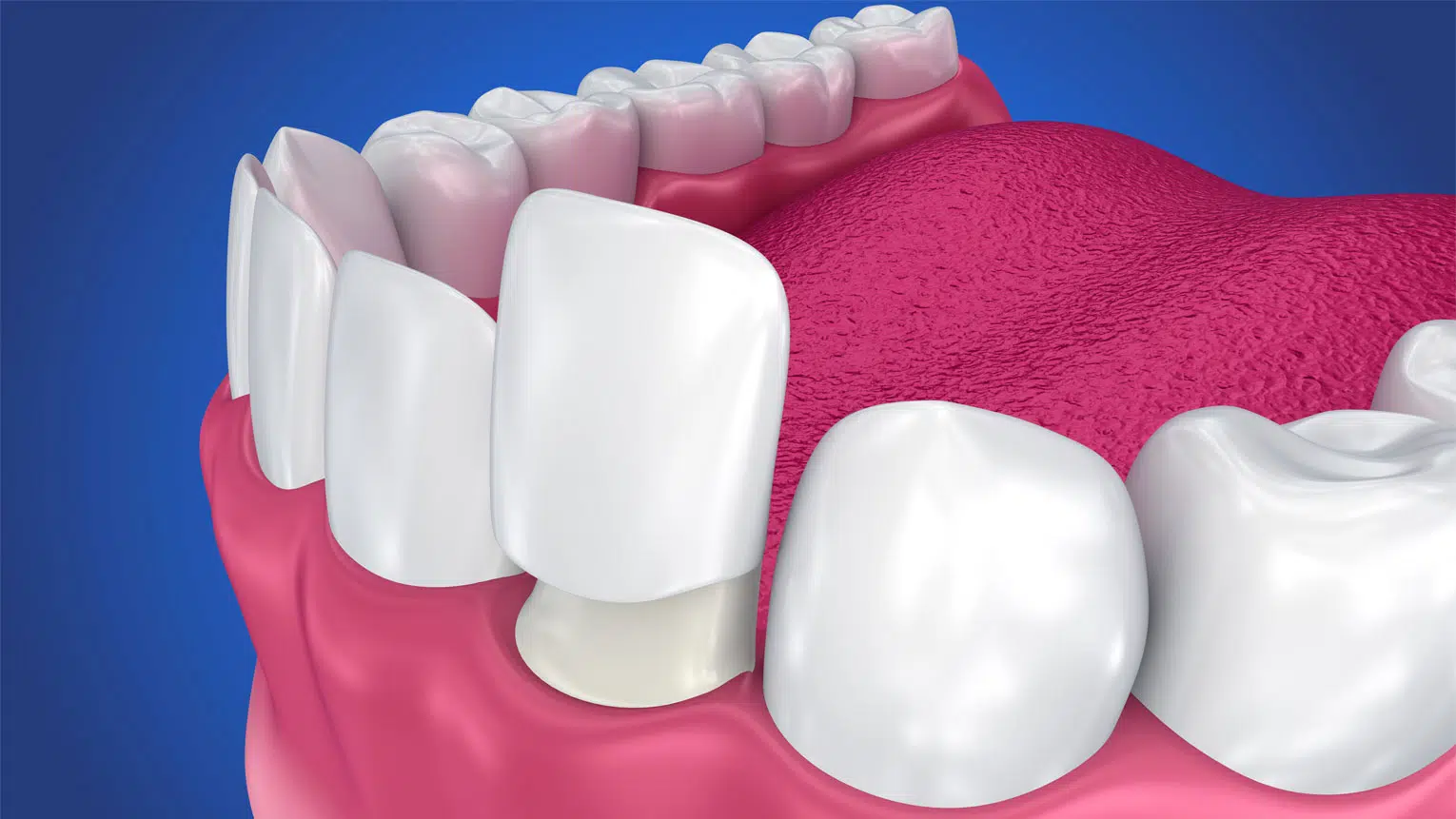


Your smile is one of the first things people notice about you. If you’re unhappy with chips, stains, or gaps in your teeth, dental veneers offer a straightforward solution that transforms your appearance.
At Valley Dental Care, we help patients achieve the smile they’ve always wanted through custom veneer treatments. This guide walks you through everything you need to know about veneer types, the procedure, and how to keep your results looking beautiful for years to come.
Veneer Options That Fit Your Goals and Timeline
Porcelain veneers remain the gold standard for anyone serious about long-term results. They last 10 to 20 years with proper care, resist staining far better than natural teeth, and deliver that natural translucency that mimics real enamel. The trade-off is straightforward: porcelain requires removing about 0.5 mm of enamel to create a bonding surface, making the procedure irreversible. This invasiveness matters only if you’re uncertain about commitment. Most patients who select porcelain accept this trade because the durability justifies it.
Composite Resin: Speed and Reversibility
Composite resin veneers take the opposite approach. They require minimal to no enamel removal, bond directly to your tooth in a single visit, and cost significantly less than porcelain. The catch is real: composite veneers last 5 to 7 years, stain more easily from coffee and red wine, and chip more readily than their porcelain counterparts. They work well if you want reversibility, fast results, or lower upfront investment, but you’ll accept shorter lifespan and more maintenance.
Lumineers: Ultra-Thin and Reversible
Lumineers occupy a middle ground that appeals to hesitant patients. Ultra-thin at about the thickness of a contact lens, they often require no tooth preparation at all, making them genuinely reversible. Lumineers typically last between 10 to 20 years, which rivals porcelain longevity. However, Lumineers carry real limitations: they can appear translucent and show darkness from the tooth beneath, they detach more frequently than traditional veneers, and your color options narrow considerably. They’re premium-priced despite marketing themselves as budget-friendly. If you have naturally dark teeth or expect perfect opacity, Lumineers disappoint. The two-visit timeline appeals to busy patients, but that speed comes with trade-offs in reliability and aesthetic precision.
Selecting the Right Veneer Type for You
Porcelain works best if you’re committed to your smile transformation and want results that last 15 years or longer without compromise. Composite fits your needs if reversibility and speed matter more than durability, or if budget constraints are real. Lumineers suit you only if you’re genuinely opposed to enamel removal and accept the visual and durability limitations that come with it. Your dentist will assess your tooth structure and goals during consultation, because not every option works for every smile. Understanding these differences prepares you for the next phase: the actual veneer procedure and what happens in the chair.
How the Veneer Procedure Works
The veneer process unfolds across three distinct phases, and understanding what happens in each one removes anxiety and sets realistic expectations. Your first appointment is the consultation, where we assess your tooth structure, discuss your aesthetic goals, and determine which veneer type suits you best. This conversation is non-negotiable because veneers require sufficient enamel to bond properly, and your dentist must confirm your teeth are cavity-free and your gums are healthy before proceeding. During this visit, digital imaging shows you potential outcomes and we discuss shade matching in detail. Most patients spend 30 to 45 minutes in this phase, and you’ll leave with a clear timeline: typically three weeks from consultation to final placement. We’ll also address any concerns about sensitivity or discomfort, which most patients experience minimally since the procedure avoids the nerve and root of your tooth.
Tooth Preparation and Shade Selection
The second phase happens in the dental chair and involves tooth preparation and shade selection working in tandem. Your dentist removes a thin layer of enamel-0.5 to 0.7 millimeters for porcelain, less for composite-to create a bonding surface that ensures the veneer adheres permanently. This step is irreversible for porcelain but necessary for durability; rushing or skipping it leads to veneer failure. After preparation, we take a digital scan or impression that the lab uses to fabricate your custom veneers, and temporary veneers protect your teeth during the waiting period. Shade selection happens before preparation because the lab needs your exact color specifications; both you and your dentist select the shade together under proper lighting to avoid mismatches. The entire preparation appointment takes about two hours.
Bonding and Final Adjustments
The final phase is bonding, where we remove temporary veneers, clean your prepared teeth thoroughly, apply bonding adhesive, and secure each veneer with precision. We check your bite and adjust margins at the gumline for proper aesthetics, and polish the surface to a natural finish. A follow-up visit within one week confirms the bond is holding and your gums remain healthy, which prevents complications down the line. Once your veneers are bonded and polished, your smile transformation is complete-but the work doesn’t stop there.
How to Keep Your Veneers Looking New
Your veneers last only as long as you maintain them properly. Porcelain veneers last 10 to 15 years or longer, while composite veneers last 5 to 7 years, but these timelines shrink without consistent care. The natural tooth structure beneath and around your veneers remains vulnerable to decay and gum disease, which means your daily routine matters far more than most patients realize.
Daily Oral Hygiene That Protects Your Investment
Brush twice daily with a soft-bristle toothbrush and non-abrasive fluoride toothpaste, since abrasive formulas gradually dull the polished surface of veneers, especially composite ones. Floss every single day using traditional floss, water flossers, or interdental brushes, particularly around the gumline where plaque accumulates and compromises veneer bonds. The margin where your veneer meets the tooth represents the weak point in your restoration, so that area demands your attention. Avoid whitening toothpastes marketed as harsh or abrasive, and select alcohol-free mouth rinses to protect bonding materials.
Habits and Foods That Damage Veneers
Your teeth are not tools, so skip nail-biting, opening packages with your teeth, chewing ice, or gnawing on pens. If you grind your teeth at night, talk to your dentist about a custom night guard because bruxism shortens veneer lifespan significantly (it distributes destructive forces across your restoration). Porcelain resists staining far better than composite, but the natural teeth around your veneers still absorb color from coffee, red wine, and dark sodas. Rinse your mouth with water immediately after consuming these beverages to prevent staining on exposed tooth surfaces, which creates visible color inconsistencies with your veneers. Hard candies, ice, and crunchy nuts pose real risk to both veneer types, especially composite veneers which chip more readily.
Professional Care and Early Detection
Schedule professional cleanings every six months rather than annually, because specialized polishing instruments and pastes designed for cosmetic restorations keep veneers smooth without damaging them. During these visits, your dentist monitors veneer margins, checks gum health, and detects potential issues early before they become expensive problems (early detection prevents complications that would otherwise require veneer replacement). This preventive approach costs far less and proves easier than waiting until something fails.
Is a Veneer Smile Makeover Right for You?
Dental veneers work best for patients with healthy teeth and gums who want to correct discoloration, chips, gaps, or minor alignment issues without extensive orthodontic treatment. Your ideal candidate has sufficient enamel to support a veneer bond and commits to the maintenance routine that keeps results looking fresh. If you grind your teeth, have active gum disease, or struggle with daily oral hygiene, address those issues first before pursuing veneers.
Porcelain veneers deliver results that last 10 to 20 years when you follow the care guidelines outlined in this guide, while composite veneers typically last 5 to 7 years but offer faster placement and reversibility. Lumineers provide a middle path with 10 to 20 year longevity, though with visual trade-offs in opacity and color precision. The transformation happens immediately after bonding, so you’ll see your new smile the same day your veneers are placed.
Your dentist will assess whether dental veneers align with your goals and explain which veneer type suits your teeth and lifestyle best during your consultation. Schedule your complimentary consultation today and take the first step toward the confident smile you deserve.
Meet the Author

Dr. Satish Gottumukkula
Dr. Satish delivers compassionate, prevention-focused dental care using advanced techniques to support lifelong oral health for families.
Meet Dr. SatishRelated Posts

Dental Veneers: Types, Procedure, Longevity, and Before/After Care
Compare dental bonding vs veneers to find the ideal choice for your smile, with insights on costs, benefits, and longevity from Valley Dental Care experts.

Dental Veneers: Types, Procedure, Longevity, and Before/After Care
Dental veneers have become a popular option for those seeking a smile makeover. These thin shells, typically made of porcelain or composite resin, are bonded to the front of teeth to improve their appearance. But like all procedures, veneers come with their…

Dental Veneers: Types, Procedure, Longevity, and Before/After Care
Dental veneers are a popular cosmetic treatment to disguise flaws in your smile. They are considered a long-lasting dental treatment but must eventually be replaced due to wear and tear. Learning about their longevity is essential if you’re considering getting veneers to…
