
Complete Guide to Teeth Whitening: Options, Safety, and Results


A bright smile makes a real difference in how people perceive you. Teeth whitening is one of the most popular cosmetic treatments available, and for good reason-it works fast and delivers visible results.
At Valley Dental Care, we’ve helped hundreds of patients transform their smiles. This guide walks you through your whitening options, what to expect, and how to keep your results looking fresh.
Your Professional Whitening Options
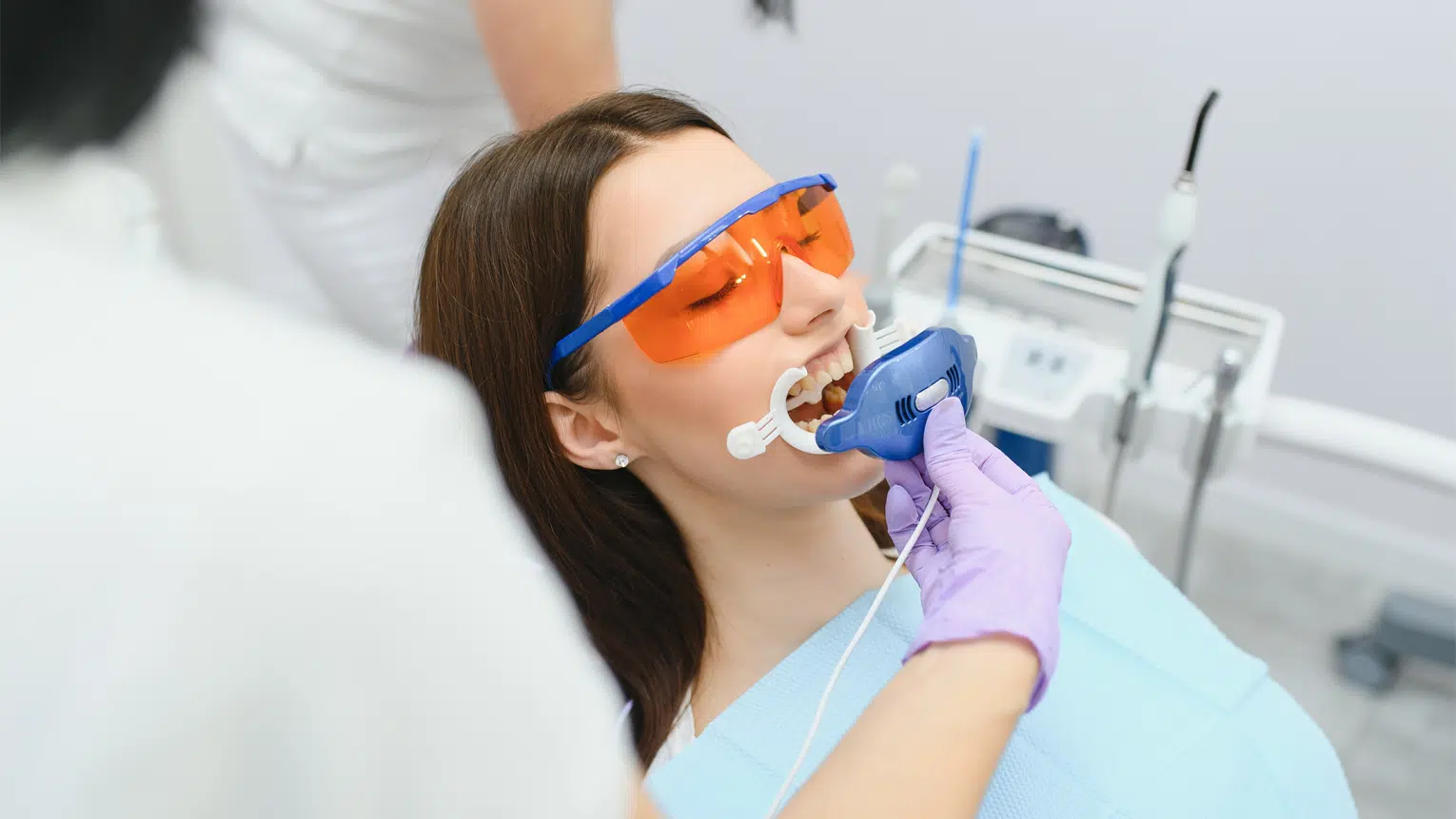
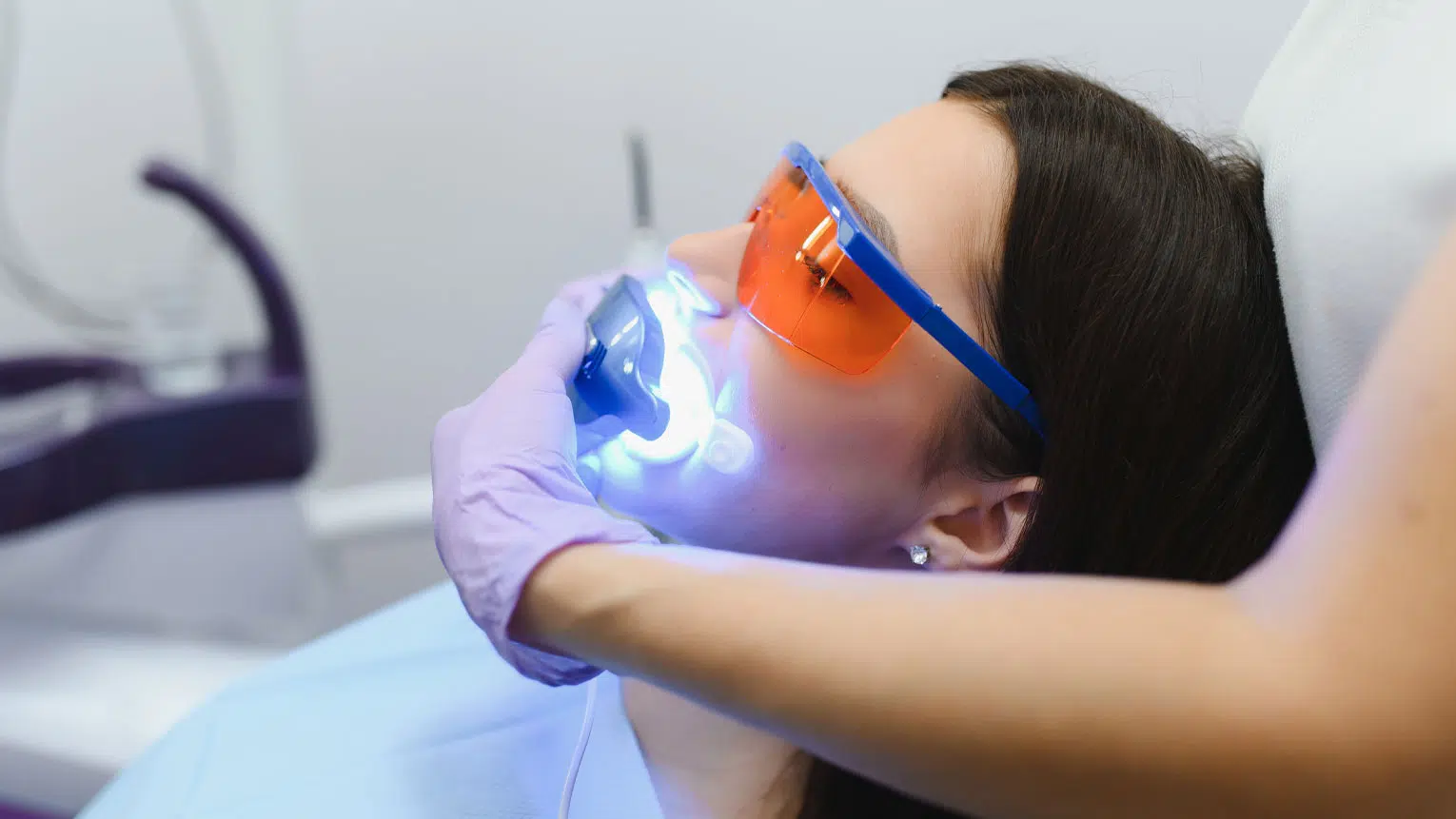
In-office whitening remains the gold standard for fast, dramatic results. Professional whitening can brighten teeth by up to eight shades in a single appointment. These treatments use prescription-strength bleaching agents applied under controlled conditions, typically completing in under 90 minutes. The dentist applies a protective barrier to shield your gums and soft tissues from the bleaching agent-a critical safety step that DIY methods often skip. Most patients see results immediately after one session, though some choose multiple visits to reach their desired shade. The effects typically last between one to three years depending on your habits and lifestyle. If you drink coffee, red wine, or tea regularly, expect to need touch-ups sooner. This method works best for extrinsic stains (the surface discoloration from coffee, tea, and tobacco), which respond quickly to professional-grade agents.
Custom Trays from Your Dentist
Custom whitening trays offer a middle ground between convenience and professional oversight. Unlike generic over-the-counter trays that fit poorly and often allow bleaching gel to contact your gums, custom trays are molded to your specific teeth for uniform whitening and reduced irritation. You’ll typically wear these for one to two hours daily over ten to fourteen days, and results unfold gradually rather than the immediate transformation of in-office treatment. The professional-grade gel is stronger than store-bought options, making results more dramatic and predictable. Maintenance requires touch-ups every six to twelve months, depending on your consumption of staining foods and drinks. This approach appeals to patients who want professional results without the time commitment of in-office visits, and the gradual process means less sensitivity for those with naturally reactive teeth. After your initial treatment, your dentist provides the trays and gel for future maintenance, so you control the timing.
Laser Whitening Technology
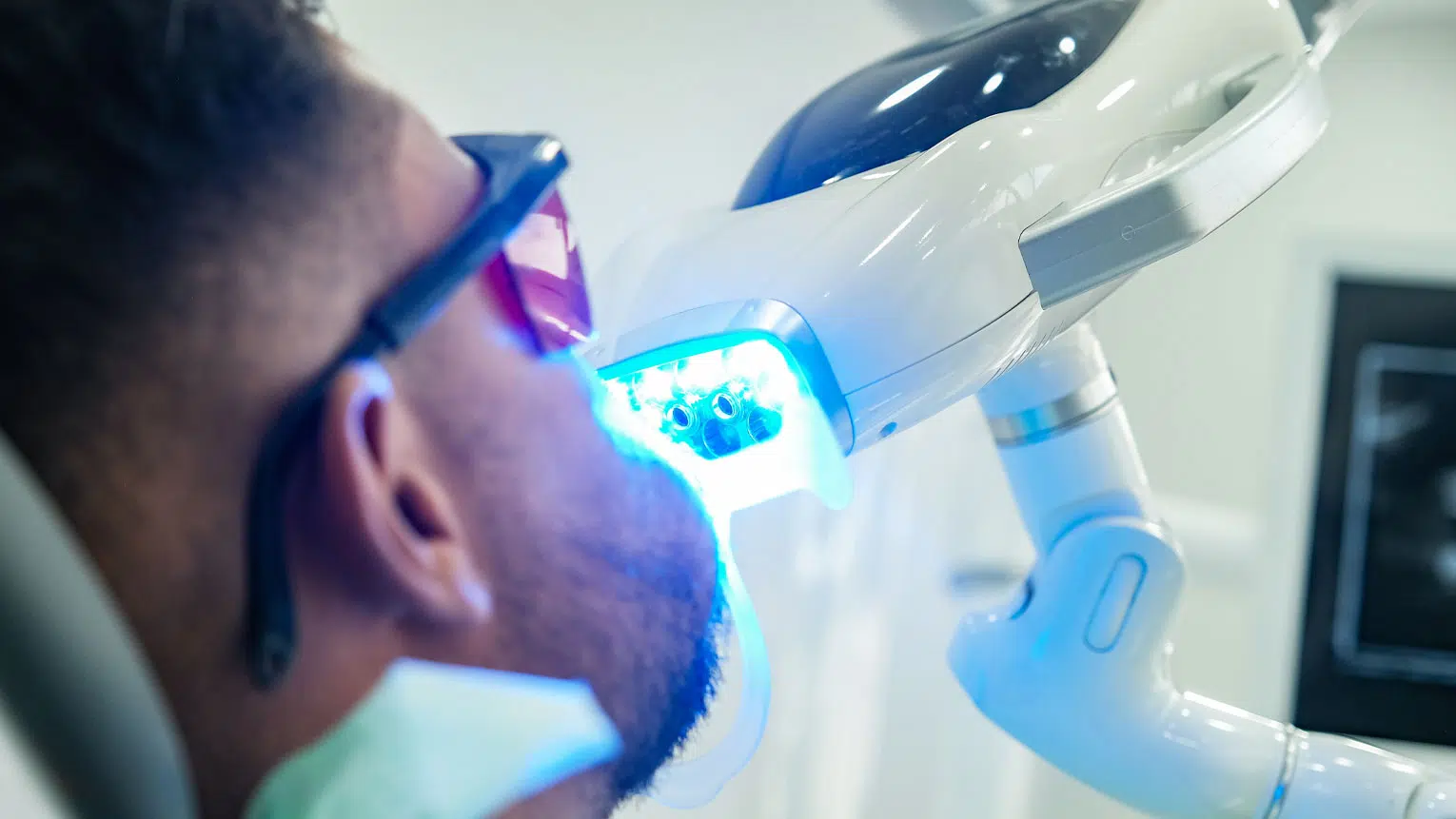
Laser whitening represents the most advanced professional option, using intense light combined with whitening gel to accelerate the stain-removal process. Laser whitening uses intense light to break down chromogens faster than chemical agents alone. Sessions typically run sixty to ninety minutes and deliver results comparable to standard in-office whitening, though some patients report slightly faster bleaching. The primary advantage is efficiency; if you need maximum whitening in minimal time, laser systems deliver. However, this intensity comes with higher sensitivity risk for some patients, and gum protection becomes even more critical. Results last one to three years similar to other professional methods. The technology isn’t inherently superior to standard in-office treatments for most patients-it’s simply faster. If you have sensitive gums or weak enamel, the controlled application of standard in-office whitening may actually be the safer choice despite taking slightly longer.
Now that you understand your treatment options, the next step is learning how whitening actually works on your teeth and what timeline you should expect for visible changes.
How Whitening Works and What to Expect
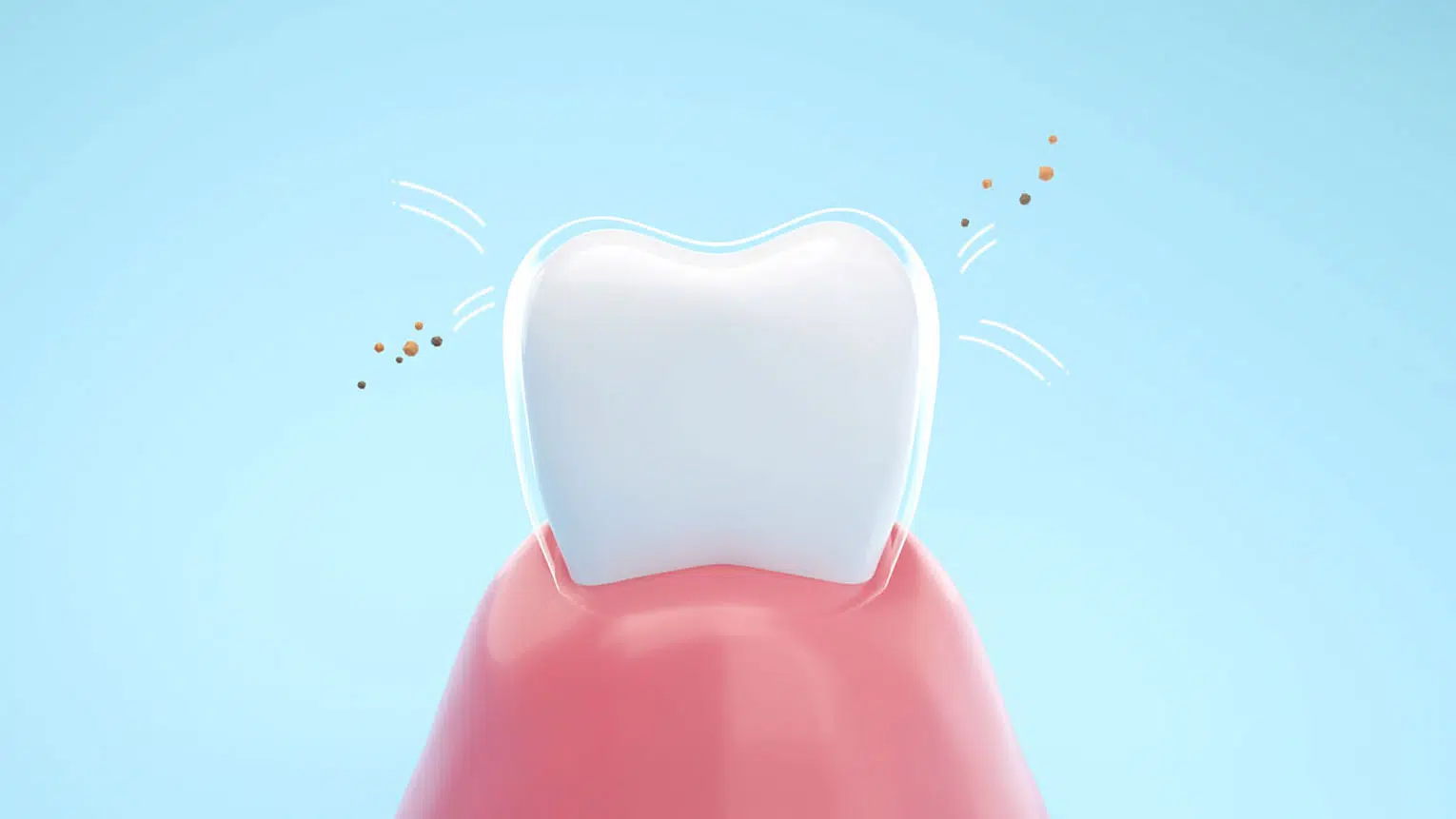
Whitening agents like hydrogen peroxide and carbamide peroxide penetrate your enamel to break down chromogens-the molecules that cause discoloration. These bleaching agents oxidize stains from coffee, red wine, tobacco, and aging, lightening the color of your tooth structure from the inside out. The process works on extrinsic stains (surface discoloration) almost immediately, but intrinsic stains (deeper discoloration from aging or certain medications) require longer exposure and sometimes multiple sessions.
In-office treatments use higher concentrations of these agents, which is why you see dramatic results in ninety minutes, while custom tray treatments work gradually over one to two weeks with lower concentrations. The catch is that whitening agents strip minerals from your enamel during this process, which is why sensitivity happens and why professional oversight matters-your dentist applies a protective barrier to your gums and can include desensitizing agents to minimize discomfort.
Timeline for Visible Results
In-office whitening delivers visible results immediately after your first session, with teeth brightening by up to eight shades in a single appointment. Custom tray treatments show gradual improvement over seven to fourteen days of consistent use, one to two hours daily. Over-the-counter products take three to six weeks to produce noticeable change, if they work at all.
The speed depends entirely on your starting point-heavily stained teeth take longer than lightly discolored teeth to reach your target shade. Some patients need two or three professional sessions spaced one to two weeks apart to reach their desired whiteness, especially if they have deep intrinsic stains from medications or trauma. Your dentist assesses this during your consultation and sets realistic expectations based on your tooth structure and staining severity. Results peak at two to three weeks after treatment and then stabilize; you won’t get whiter after that point without additional sessions.
Managing Sensitivity After Treatment
Whitening-related sensitivity typically lasts one to three days after treatment and affects hot and cold temperatures most noticeably. If you experience discomfort, over-the-counter pain relievers like ibuprofen or acetaminophen work well, and using an anti-sensitivity toothpaste during and after treatment reduces symptoms significantly.
The first forty-eight hours after whitening are critical because your enamel’s protective pellicle layer is disrupted, making teeth highly prone to staining. During this window, avoid dark-colored foods and drinks-coffee, red wine, tea, soy sauce, and curry powder will undo your results quickly. Choose white or light-colored, non-acidic foods instead: milk, pasta, rice, eggs, skinless chicken, and oatmeal are safe choices.
Protecting Your Results Long-Term
After forty-eight hours, the pellicle regenerates and you can resume normal eating, though limiting stain-causing habits remains important. If you do consume dark foods, rinse your mouth and brush afterward to reduce lingering stains. Professional whitening results last one to three years depending on your lifestyle, while custom tray results typically fade within six to twelve months if you drink coffee or wine regularly.
Touch-ups using your custom trays every six months maintain results without the expense or sensitivity of retreating from scratch. Using sugar-free gum within twenty minutes of meals helps neutralize acids and limit staining between treatments. Now that you understand how whitening works and what timeline to expect, the next step is preparing your teeth before treatment and establishing the habits that keep your smile bright long after your appointment.
Preparing Your Teeth and Protecting Your Results
Pre-Treatment Preparation
Schedule your whitening appointment at least one week after your last dental cleaning. Plaque and tartar buildup blocks whitening agents from reaching your teeth effectively, so a professional cleaning first removes surface debris and maximizes results. If you have cavities, cracks, or gum disease, address these before whitening starts; bleaching agents penetrate damaged areas and cause sharp pain or further damage to tooth structure. Your dentist will assess these conditions during your consultation and may postpone treatment until repairs are complete.
Start using an anti-sensitivity toothpaste three to five days before your appointment if your teeth react to temperature changes. This preemptive step reduces discomfort significantly during and after bleaching. Avoid staining foods and drinks for twenty-four hours before treatment as well; entering your appointment with the least amount of surface staining gives whitening agents maximum effectiveness.
The Critical First Forty-Eight Hours
The post-treatment window demands strict dietary discipline because prophy pastes remove the pellicle. For the first forty-eight hours, stick exclusively to white and light-colored, non-acidic foods: milk, pasta, rice, cauliflower, eggs, skinless chicken, potatoes, tofu, yogurt, bread, and oatmeal are safe choices that won’t compromise results.
Avoid all dark-colored beverages and foods including coffee, tea, red wine, soy sauce, curry powder, cured meats, chocolate, and acidic items like citrus fruits, pickles, and vinegar. These reverse whitening results remarkably fast during this vulnerable period. Do not use colored toothpastes or tobacco products, including e-cigarettes, which stain aggressively.
Maintaining Results After Forty-Eight Hours
After forty-eight hours when your pellicle regenerates, you can resume normal eating, but limiting stain-causing habits remains important for longevity. If you consume dark foods, rinse your mouth with water and brush afterward within twenty minutes to prevent stains from setting. Chewing sugar-free gum after meals neutralizes acids and stimulates saliva production, which naturally protects your whitened teeth.
Long-Term Maintenance Strategy
For custom tray treatments, schedule touch-ups every six months using your existing trays and professional-grade gel. This maintenance approach keeps results bright without the expense or sensitivity of full retreatment. In-office whitening typically lasts one to three years before touch-ups become necessary, so the frequency depends entirely on your lifestyle and consumption of staining substances.
Final Thoughts
You now understand your teeth whitening options and what each method delivers. In-office treatments offer the fastest transformation, custom trays provide professional results on your schedule, and laser technology accelerates the process for those prioritizing speed. The choice depends on your timeline, sensitivity level, and how much staining you’re dealing with-safety matters more than speed because professional whitening protects your gums with barriers that DIY methods skip entirely.
Your whitening journey starts with an honest assessment of your current tooth shade and your realistic goals. Some patients want dramatic eight-shade improvements, while others prefer subtle enhancement, and both are achievable with the right approach and professional guidance. Managing sensitivity during the first few days and protecting your results through smart dietary choices during the critical forty-eight-hour window makes the difference between results that fade in weeks and results that last years.
We at Valley Dental Care assess your specific situation and recommend the whitening method that matches your goals and oral health. Schedule your complimentary consultation today to discuss which option works best for your smile.
Meet the Author

Dr. Satish Gottumukkula
Dr. Satish delivers compassionate, prevention-focused dental care using advanced techniques to support lifelong oral health for families.
Meet Dr. SatishRelated Posts
Complete Guide to Teeth Whitening: Options, Safety, and Results
Compare professional whitening for teeth to drugstore options and learn why dentist treatments deliver superior, longer-lasting results.
Complete Guide to Teeth Whitening: Options, Safety, and Results
Brighten your smile in under an hour with professional in-office whitening treatment. Learn how it works and see results fast.
Complete Guide to Teeth Whitening: Options, Safety, and Results
Explore professional teeth whitening for a brighter smile. Learn about benefits, costs, and results. Discover safe, effective methods today.
